
The Hidden Cost of Fast Furniture
When we talk about waste, most people think of plastic bottles, grocery bags, or fast fashion. Far fewer people think about furniture. But “fast furniture” has quietly become one of the most overlooked environmental problems of modern consumer life. The term refers to cheap, mass-produced furniture designed to be affordable, trendy, and easy to replace. It fills college apartments, first homes, and temporary rentals because it is convenient and inexpensive. The problem is that much of it is not built to last, and the environmental cost of that short lifespan is enormous.
Fast furniture is usually made from low-cost materials such as particleboard, medium-density fiberboard, plastic veneers, and synthetic fabrics. These materials help keep prices low, but they also make repair difficult and durability limited. A bookshelf may sag after one move. A desk may chip within a year. A couch frame may weaken long before the fabric looks worn out. Because the items are so cheap to begin with, many people do not bother fixing them. They simply throw them away and buy replacements.
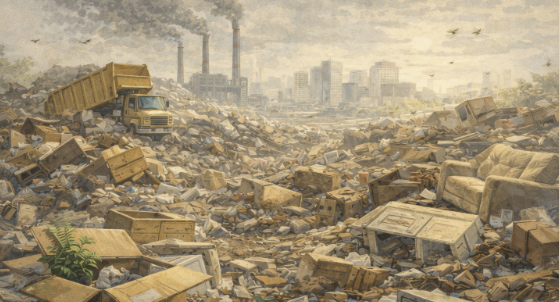
That cycle creates a huge waste stream. Bulky furniture takes up a lot of landfill space, and many discarded pieces cannot be easily recycled because they are made from mixed materials glued, laminated, or chemically treated together. A wooden table made from solid timber can sometimes be refinished, repaired, or reused for decades. A low-cost composite table often cannot. Once it is damaged, it becomes trash.
The problem begins long before the furniture reaches the curb. Manufacturing fast furniture consumes raw materials, energy, water, and fuel for transport. Wood products may contribute to deforestation when sourcing is poorly managed. Synthetic foams and finishes are often derived from fossil fuels. Adhesives, paints, and coatings can release harmful chemicals during production and sometimes even after the furniture enters the home. When millions of households repeatedly buy short-lived items, the environmental burden multiplies across the entire supply chain.
Fast furniture also reflects a deeper cultural habit: treating home goods as disposable. Social media trends encourage people to redesign their rooms frequently, and retailers respond by offering furniture that is more about appearance than longevity. Aesthetic turnover becomes normalized. Instead of buying one durable dresser for ten or fifteen years, consumers may buy three or four cheaper versions in the same period. The lower upfront price hides a much higher long-term environmental cost.
The good news is that consumers are not powerless. One of the best alternatives is simply buying less and choosing better. Secondhand furniture, vintage pieces, and well-made basics often outlast trendy budget items. Repairing, repainting, or reupholstering old furniture can keep useful materials in circulation and reduce demand for new production. Renting, swapping, or sourcing locally can also shrink transportation emissions and extend product life.
Ultimately, sustainable living is not just about what we recycle. It is also about what we choose to keep. Furniture should not be something we expect to fail in a year or two. A more responsible approach means valuing durability, repairability, and timeless design over quick convenience. In a world already overflowing with waste, the most sustainable piece of furniture may be the one that stays in your home the longest.